
M3D Receives NSF SBIR Phase I Grant to Advance Gamma Camera Design
The team at M3D is thrilled to announce a $275,000 SBIR Phase I grant from the National Science Foundation (NSF) to support our innovative research on gamma camera technology. This award, coupled with $25,000 in matching funds from the state of Michigan, enables us to tackle a critical challenge in sentinel lymph node biopsies for patients with head and neck cancers.
Surgeons often face a significant hurdle when a lymph node is too close to the tumor. Radiotracers, like Technetium-99, are injected into the tumor to help locate nearby lymph nodes during the biopsy. However, when the lymph node is close to the tumor, the overwhelming radiation makes it difficult for traditional methods, like Geiger counter pens, to accurately identify the affected lymph nodes. That’s where our new solution comes in.
With the backing of the NSF, we are developing a revolutionary tungsten-based mask. This mask is designed to effectively block out the excess radiation from the tumor, providing surgeons with a clearer image of the nearby lymph nodes. This breakthrough has the potential to significantly reduce the risk of missing critical lymph nodes and improve outcomes for cancer patients. Our ultimate goal is to make the process more effective and, in doing so, help more people.
This journey has been a collective effort. Our co-founders, Jerimy Polf, PhD and Steven Brown, PhD, led the charge to develop a compelling proposal that the NSF saw fit to support. We are deeply grateful for the dedication of everyone involved. From the initial abstract submission to the final award, we are proud of the hard work and perseverance that brought us here. Less than 10% of applicants receive Phase I funding, and we are honored to be among them.
But the excitement doesn’t stop there. In addition to this breakthrough research, we’ve recently launched our first commercial product, the RAVIN CAM. This cutting-edge safety camera will be deployed in hospitals and healthcare facilities by year-end to detect and mitigate radiation contamination. It’s a huge milestone for M3D, and we couldn’t be more excited about the future.
As we begin this new research journey with the NSF’s support, we look forward to continuing our mission to innovate in medical imaging. This grant not only recognizes the incredible potential of our technology but also reaffirms our commitment to creating tools that make a real difference in healthcare.
Stay tuned for updates as we work towards advancing our gamma camera design and changing the landscape of radiation imaging in cancer surgeries!
Learn more about the Lympho Cam for surgical imaging.
Ready to improve radiation detection in your healthcare facility? Shop RAVIN CAM now.
More from the blog

3D CZT: The Future of Radiation Detection
Modern radiation detection plays a crucial role in healthcare, safeguarding patients and professionals by monitoring and managing exposure levels. arrived in fits and spurts – reactionary inventions to major events li
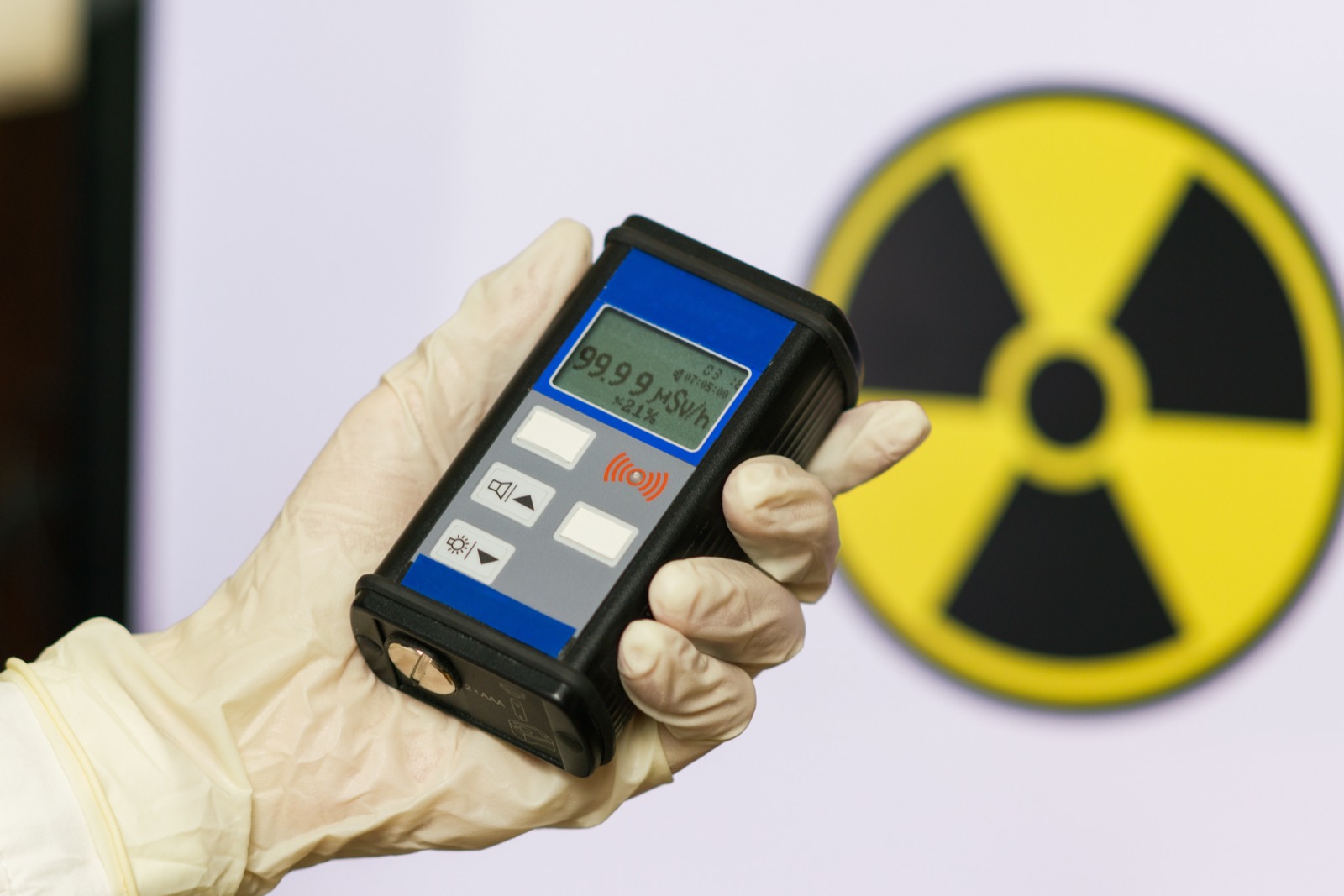
Radiation Survey Meters: A Comprehensive Guide
Learn about the evolution and types of radiation survey meters for ensuring safety in healthcare.

Revolutionizing Radiation Detection Safety with M3D
Walk into any major medical facility in the world and chances are that you’ll quickly come across a Radiology or Nuclear Medicine department full of modern medical imagers. From mammograms to CT and PET scanners, it’s no